Education has always held a central place in Islam. From the very first revelation—“Read in the name of your Lord who created”—Islam established knowledge as the foundation of faith, character, and civilization. Education is not merely a tool for personal success; it is a means of spiritual growth, social responsibility, and long-term community development. In today’s rapidly changing world, the importance of Islamic education has become even more critical.
At Al Shifa Islamic Center, education is viewed as a lifelong journey that nurtures the mind, strengthens the soul, and shapes responsible leaders for the future.
Education as a Divine Obligation
In Islam, seeking knowledge is not optional. The Prophet Muhammad ﷺ said:
“Seeking knowledge is an obligation upon every Muslim.”
(Ibn Majah)
This obligation applies to both men and women, young and old. Islamic education goes beyond literacy and academics; it includes understanding faith, ethics, responsibility, and purpose. When education is rooted in Qur’an and Sunnah, it transforms individuals into conscious believers who live with clarity and intention.
Islamic education builds:
-
Strong belief (Aqeedah)
-
Correct worship (Ibadah)
-
Upright character (Akhlaq)
-
Social responsibility (Muamlaat)
The Role of Qur’anic Education
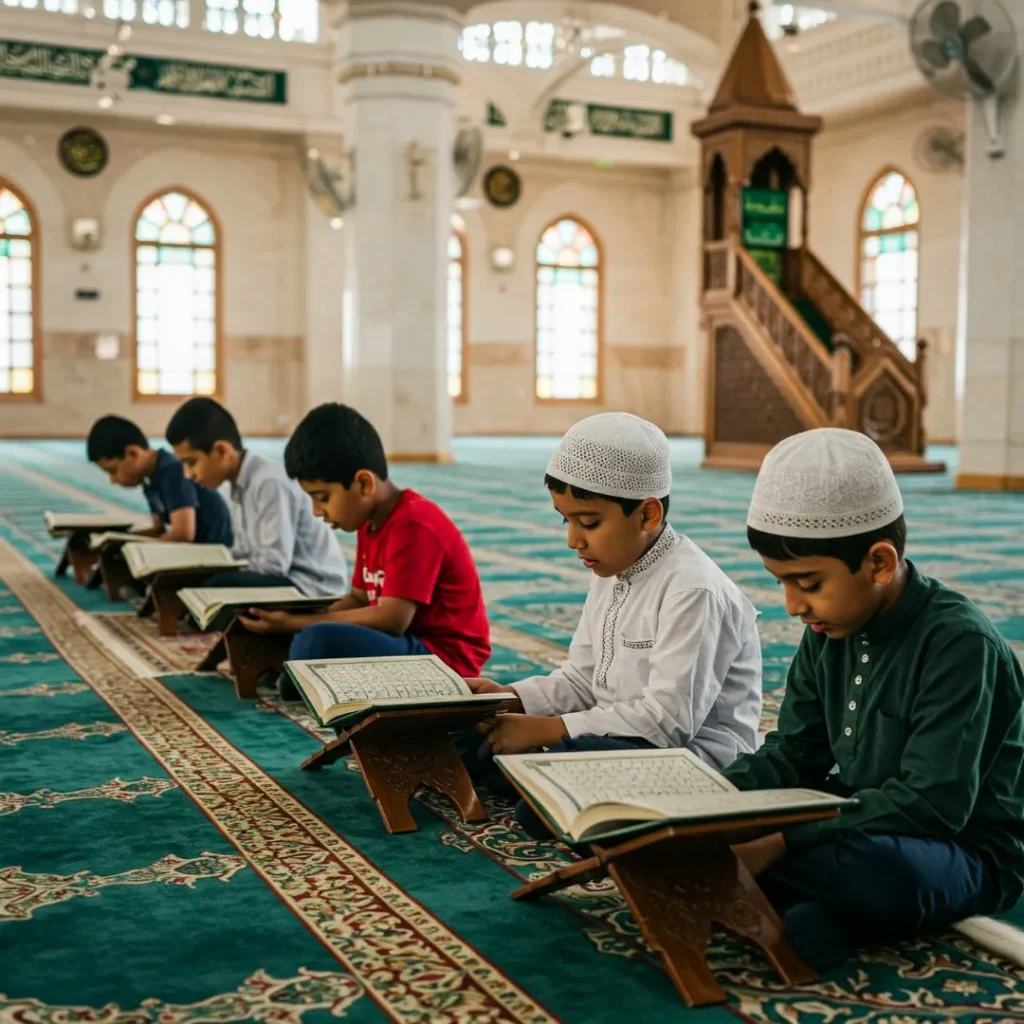
The Qur’an is the ultimate source of guidance for humanity. Teaching children and adults how to read, understand, and reflect upon the Qur’an is one of the most powerful forms of service. Qur’anic education instills discipline, patience, humility, and a strong moral compass.
When students engage with the Qur’an:
-
Their hearts are spiritually nourished
-
Their behavior improves through moral guidance
-
Their connection with Allah grows stronger
-
They develop clarity in decision-making
Programs such as Tajweed, Hifz, and Tafseer help learners move from simple recitation to meaningful understanding and practical application.
Education and Character Building
One of the greatest challenges of modern society is the decline of moral values. Knowledge without character can become harmful, while character without knowledge can remain ineffective. Islam emphasizes both equally.
The Prophet ﷺ was sent not only as a teacher but as a role model of character. Education that incorporates Hadith, Seerah, and Islamic ethics helps students develop honesty, patience, respect, empathy, and responsibility.
Character-building education:
-
Reduces social conflicts
-
Strengthens family values
-
Creates ethical professionals
-
Builds trustworthy leaders
At Al Shifa Islamic Center, character development is integrated into all learning programs, ensuring that students grow spiritually and morally alongside academic progress.
The Importance of Fiqh and Practical Knowledge
Fiqh (Islamic jurisprudence) enables Muslims to practice their faith correctly in daily life. Topics such as purification, prayer, fasting, and financial dealings are essential for every Muslim.
Classes like Kitab ul Tahara help students understand:
-
Cleanliness and purity
-
Correct methods of worship
-
Practical rulings for everyday situations
-
Balance between ease and discipline in Islam
Without proper fiqh knowledge, many acts of worship remain incomplete or incorrect. Structured fiqh education empowers individuals to practice Islam with confidence and correctness.
Education as a Tool for Social Upliftment
Education is one of the most effective tools for breaking the cycle of poverty. Many families struggle not because of lack of effort, but because of lack of access to quality education.
When a child receives education:
-
The entire family benefits
-
Economic opportunities improve
-
Social awareness increases
-
Generational poverty decreases
Islam strongly encourages supporting the needy, especially in matters of education. Sponsoring a student or supporting an educational institution is a form of Sadaqah Jariyah—a continuous charity whose rewards continue even after death.
Digital Media and Modern Islamic Learning
In today’s digital age, access to Islamic knowledge has expanded beyond physical classrooms. Podcasts, online lectures, video series, and digital courses allow learners to benefit regardless of location.
Media platforms provide:
-
Easy access to authentic knowledge
-
Flexible learning schedules
-
Global reach for Islamic education
-
Continuous reminders and spiritual motivation
Through media initiatives such as podcasts, Friday sermons, Fajr reflections, and structured courses, Islamic centers can reach hearts that may never step into a classroom.
The Responsibility of Islamic Institutions
Islamic institutions carry a great responsibility: to preserve authentic knowledge while addressing modern challenges. This requires qualified scholars, transparent systems, and community support.
Institutions like Al Shifa Islamic Center aim to:
-
Provide authentic Islamic education
-
Address contemporary issues with clarity
-
Support underprivileged communities
-
Train future scholars and leaders
This mission cannot be fulfilled without the collective support of the community. Donations, volunteering, and spreading awareness all play a vital role.
Education as Sadaqah Jariyah
The Prophet ﷺ highlighted the lasting impact of beneficial knowledge. When you support education, your reward continues every time:
-
A student recites the Qur’an
-
A learner teaches others
-
A graduate serves the community
-
A righteous action is inspired by knowledge
Few forms of charity have such long-lasting impact. Supporting education is an investment not only in this world but in the Hereafter.
A Call to Action
The future of the Ummah depends on educated, ethical, and spiritually grounded individuals. Each of us has a role to play—whether by learning, teaching, supporting, or donating.
By investing in Islamic education, we invest in:
-
Strong families
-
Conscious communities
-
Faith-driven leadership
-
A better future for generations to come
At Al Shifa Islamic Center, the journey continues with sincerity, purpose, and trust in Allah. Together, we can illuminate hearts with knowledge and transform lives through education.